
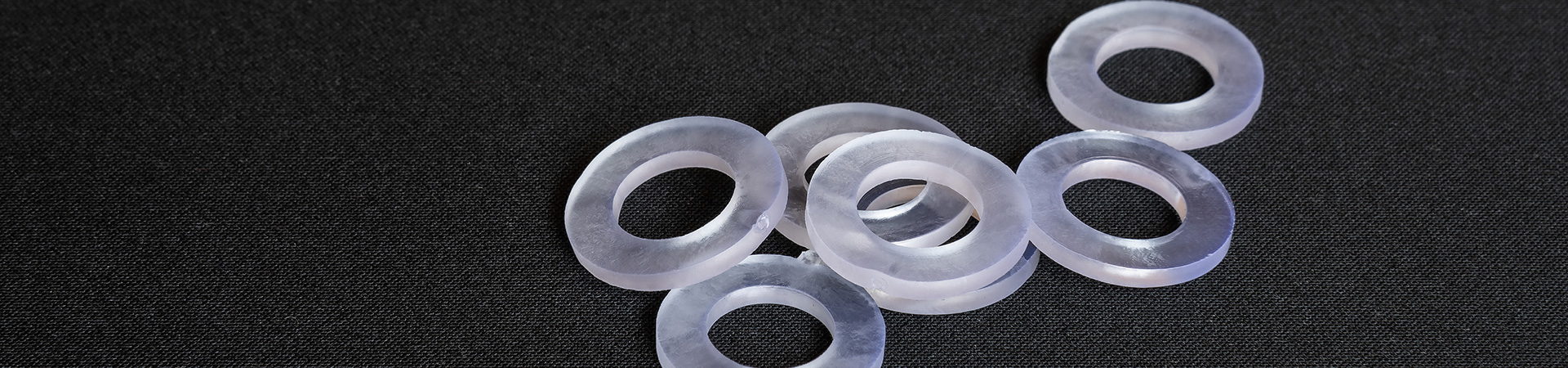
A PTFE Rod is a solid cylindrical bar made from Polytetrafluoroethylene, a high-performance fluoropolymer known for its exceptional chemical resistance, low friction, and broad temperature tolerance. These rods are widely used in industrial applications where non-stick properties, electrical insulation, and durability under harsh conditions are required. Also known as Teflon® rods (a common brand name), they are available in various diameters, lengths, and grades to suit specific needs across multiple sectors, including chemical processing, food and beverage, pharmaceutical, and electrical industries.
Our PTFE rods are manufactured to meet strict quality standards. Below are the typical specifications:
| Property | Standard Value | Test Method |
|---|---|---|
| Density | 2.14 - 2.20 g/cm³ | ASTM D792 |
| Melting Point | 327°C | ASTM D3418 |
| Continuous Service Temperature | -200°C to +260°C | ASTM D794 |
| Tensile Strength | 20 - 35 MPa | ASTM D638 |
| Elongation at Break | 300 - 500% | ASTM D638 |
| Coefficient of Friction (Dynamic) | 0.04 - 0.10 | ASTM D1894 |
| Dielectric Strength | 19 - 23 kV/mm | ASTM D149 |
| Water Absorption | < 0.01% | ASTM D570 |
We offer PTFE rods in a comprehensive range of standard and custom sizes to fit your application requirements.
| Diameter (mm) | Standard Length (mm) | Tolerance |
|---|---|---|
| 5 | 1000 | ±0.2 mm |
| 10 | 1000 | ±0.2 mm |
| 15 | 1000 | ±0.3 mm |
| 20 | 1000 | ±0.3 mm |
| 25 | 1000 | ±0.3 mm |
| 30 | 1000 | ±0.4 mm |
| 50 | 500, 1000 | ±0.5 mm |
| 100 | 500 | ±1.0 mm |
Custom diameters and lengths are available upon request. We can also provide rods with specific tolerances for precision machining.
What is the maximum temperature a PTFE rod can withstand?
PTFE rods can typically operate continuously at temperatures up to 260°C (500°F). For short-term exposure, they can handle up to 300°C. At the lower end, they remain flexible and functional down to -200°C, making them suitable for cryogenic applications.
Are PTFE rods resistant to all chemicals?
PTFE rods are highly resistant to virtually all industrial chemicals and solvents, including strong acids, alkalis, and oxidizing agents. They are attacked only by molten alkali metals and certain fluorine compounds under extreme conditions.
Can PTFE rods be machined easily?
Yes, PTFE rods are relatively soft and can be machined using standard metalworking tools, such as lathes, mills, and drills. It is recommended to use sharp tools with high rake angles and adequate cooling to achieve a smooth finish and prevent material deformation.
What is the difference between virgin PTFE and filled PTFE rods?
Virgin PTFE rods are made from pure PTFE resin, offering the best chemical resistance and electrical properties. Filled PTFE rods incorporate materials like glass fiber, carbon, graphite, or bronze to enhance specific characteristics, such as improved wear resistance, reduced creep, or better thermal conductivity, though sometimes at the cost of reduced chemical resistance.
Is PTFE safe for food contact applications?
Yes, virgin PTFE is FDA compliant and considered safe for food contact. It is non-toxic, odorless, and does not contaminate food products, making it suitable for food processing equipment, baking surfaces, and packaging machinery.
How do I select the right diameter and length for my application?
Consider the mechanical load, space constraints, and the final machined part dimensions. Standard diameters range from 5mm to 100mm and lengths up to 1000mm. For custom parts, provide your technical drawings, and our engineering team can recommend the optimal rod size to minimize waste and machining time.
Does PTFE rod have any UV or weathering limitations?
PTFE has excellent resistance to UV radiation and weathering. It does not significantly degrade or become brittle when exposed to sunlight or outdoor environmental conditions over long periods, making it suitable for both indoor and outdoor applications.
What are the storage recommendations for PTFE rods?
Store PTFE rods in a cool, dry place away from direct sunlight and heat sources. They should be kept clean and protected from dust, moisture, and mechanical damage. Stacking should be avoided to prevent deformation; store them horizontally on a flat surface or vertically in racks.