
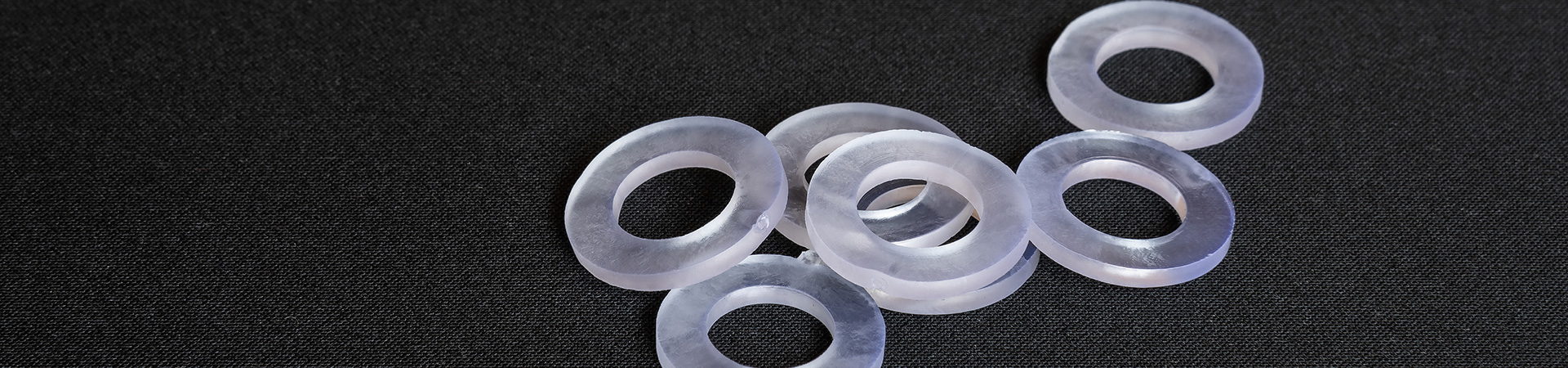
In industrial machinery, maintaining efficiency and preventing contamination is paramount. Scraper seals, also known as wiper seals or exclusion seals, are critical components designed to protect hydraulic and pneumatic systems from external contaminants. This guide provides an in-depth look at scraper seals, their specifications, and their vital role in various applications.
A scraper seal is a type of seal installed on the external side of a piston rod or cylinder. Its primary function is to scrape off dirt, mud, moisture, and other abrasive particles from the rod as it retracts into the cylinder. This action prevents contaminants from entering the system, which can cause premature wear, seal failure, and damage to internal components. By creating a robust barrier, scraper seals extend the life of the main rod seal and the entire hydraulic or pneumatic system, ensuring reliable operation in harsh environments.
Scraper seals are engineered with specific parameters to meet diverse operational demands. Understanding these specifications is crucial for selecting the right seal for your application. Below is a detailed breakdown of common parameters presented in both list and table formats for clarity.
| Parameter | Description | Typical Range / Options |
|---|---|---|
| Operating Temperature | The range of temperatures the seal can withstand while maintaining its sealing and scraping functionality. | -40°C to +100°C (NBR), -30°C to +110°C (PU), -20°C to +200°C (FKM) |
| Pressure Range | The system pressure the seal is exposed to. Scraper seals themselves are typically low-pressure seals but must withstand system peak pressures. | 0 to 5 MPa (approx. 725 psi) for scraping function; must be compatible with system pressure for the rod seal. |
| Shaft Diameter | The diameter of the piston rod for which the seal is designed. Critical for proper fit and function. | Standard sizes from 6 mm to 500 mm; custom sizes available. |
| Hardness (Shore A) | Measures the material's resistance to indentation. Affects scraping aggressiveness and wear resistance. | 80 to 95 Shore A (Commonly 90 Shore A for PU) |
| Lip Design | The geometry of the scraping edge. Different designs are optimized for specific types of contaminants. | Single lip, double lip, multi-lip, metal-insert reinforced. |
| Chemical Compatibility | The seal's resistance to degradation from specific fluids and environmental chemicals. | Varies by material. PU (Good with Hydraulic Oils), NBR (Good with Petroleum), FKM (Excellent with Fuels & Chemicals). |
| Standard Codes | Industry-standard part numbers or codes for easy identification and ordering. | ISO 6195, DIN 3760/3761, AS 568 (Inch sizes), Custom OEM codes. |
What is the main purpose of a scraper seal?
The primary purpose of a scraper seal is to act as the first line of defense for a hydraulic or pneumatic cylinder. It removes solid contaminants like dust, mud, ice, and metal chips from the piston rod surface as it retracts into the cylinder. This prevents these abrasive particles from being drawn inside, where they could damage the primary rod seal, scoring the rod surface, contaminating the hydraulic fluid, and ultimately leading to system failure.
How does a scraper seal differ from a rod seal?
A scraper seal and a rod seal serve distinct but complementary functions. The scraper seal is located on the external side of the gland and is designed to exclude external contaminants. It has a sharp, rigid lip optimized for scraping. The rod seal (or gland seal) is located internally and is primarily responsible for sealing the system's internal pressure and preventing hydraulic fluid from leaking out. It has a flexible lip designed for dynamic sealing against the rod.
When should I use a double-lipped scraper seal?
A double-lipped scraper seal features two distinct lips. The primary, outer lip is a rigid scraping lip for removing heavy contaminants. The secondary, inner lip is often more flexible and acts as a secondary wiper to remove finer particles and a light film of moisture. This design provides an extra layer of protection and is recommended for extremely dirty, wet, or demanding environments such as construction, mining, and agricultural machinery.
Can a worn scraper seal damage my piston rod?
Yes, a severely worn or damaged scraper seal can potentially damage the piston rod. If the sealing lip becomes cracked, torn, or excessively worn, it may lose its ability to conform smoothly to the rod surface. Instead of flexing, hard fragments of the seal material or a jagged edge can act as an abrasive, scoring or gouging the hardened rod surface. This damage creates paths for leaks and further contaminant ingress, creating a cycle of failure. Regular inspection is crucial.
How do I select the right material for my scraper seal application?
Material selection depends on three key factors: the operating environment, the media (fluids) the seal will contact, and the operating temperature. For general industrial use with standard hydraulic oils, polyurethane (PU) is often the best choice due to its excellent wear resistance. For applications involving fuels or aggressive chemicals, Fluorocarbon Rubber (FKM) is superior. For cost-sensitive applications with standard oils and moderate temperatures, Nitrile Rubber (NBR) is a reliable option. Always consult compatibility charts.
What are the signs that a scraper seal needs to be replaced?
Several indicators suggest a scraper seal is failing. Visible signs include a build-up of contamination on the rod just outside the seal, fluid leakage past the main rod seal (indicating contaminant-induced damage), or physical damage to the scraper lip itself. Operational signs can be increased friction, a rough feel during rod movement, or visible scoring on the rod surface. Preventive replacement during scheduled maintenance is always preferable to reactive replacement after a failure.
Is lubrication required for a scraper seal?
Scraper seals are generally designed to run dry on the external side. Their primary contact is with the contaminated rod surface, where lubrication is impractical and would attract more dirt. However, the internal side of a double-lipped seal may benefit from a light film of the system's hydraulic fluid for lubrication. The main rod seal is responsible for maintaining the lubricating film on the rod for the dynamic seal. The scraper's job is to keep that film clean.
What standards govern the dimensions of scraper seals?
International standards help ensure interchangeability and performance. The most common standard is ISO 6195, which specifies the housing dimensions for rod wiper scrapers in hydraulic cylinders. Other relevant standards include various DIN (German Institute for Standardization) specifications and AS 568 for inch-sized O-rings used in some seal assemblies. Manufacturers also produce seals to custom OEM specifications for specific machinery models.