
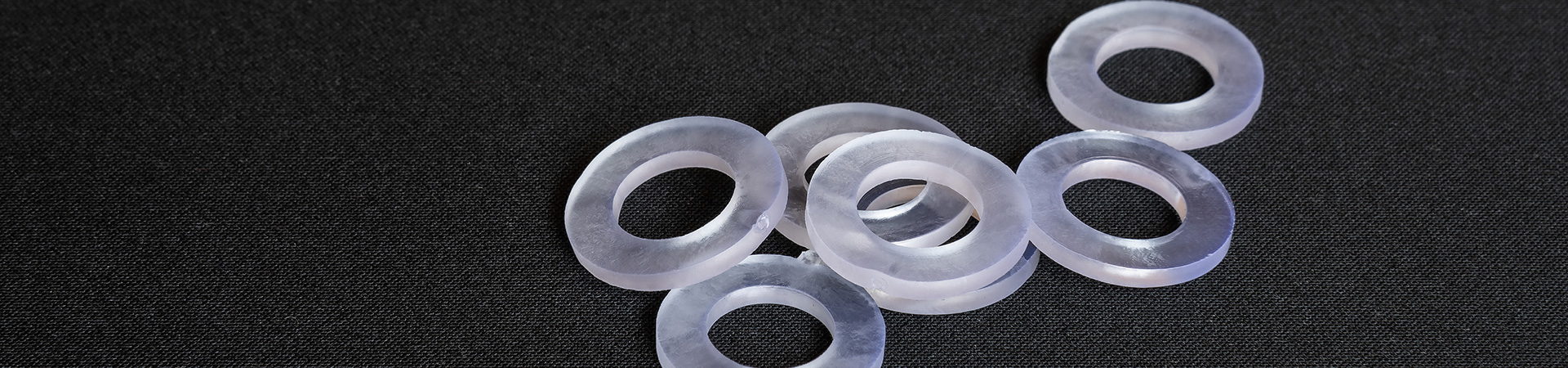
Spring seals are mechanical seals that incorporate a spring mechanism to maintain consistent sealing force under varying pressures, temperatures, and dynamic conditions. These seals are designed to prevent the leakage of fluids or gases and to exclude contaminants in a wide range of industrial applications. The spring component, often a garter spring, cantilever spring, or wave spring, compensates for wear, thermal expansion, and dynamic runout, ensuring long-term performance and reliability in demanding environments.
Our spring seals are manufactured to precise specifications to meet the rigorous demands of various industries. The table below outlines the standard parameters for our most common spring seal series. Custom configurations are available upon request.
| Parameter | Specification Range | Standard Material Options | Applicable Standards |
|---|---|---|---|
| Inner Diameter (ID) | 5 mm to 500 mm | Nitrile (NBR), Fluoroelastomer (FKM), Ethylene Propylene (EPDM), Silicone (VMQ) | ISO 3601-1, ASTM D2000 |
| Cross-Section | 1.5 mm to 10 mm | As above, with Perfluoroelastomer (FFKM) options | ISO 3601-1 |
| Pressure Range | Vacuum to 500 Bar | Material dependent; FKM/FFKM for high pressure | ISO 11363 |
| Temperature Range | -60°C to +300°C | NBR (-40°C to +120°C), FKM (-20°C to +230°C), EPDM (-50°C to +150°C), VMQ (-60°C to +225°C) | ASTM D2000 |
| Spring Type | Garter, Cantilever, Canted Coil, Wave Spring | Stainless Steel (302, 316), Inconel, Elgiloy | DIN 5417, Customer Specifications |
| Surface Speed | Up to 25 m/s | Optimized seal lip geometry and material compound | N/A |
Choosing the correct material is critical for spring seal performance and longevity. This guide helps select the optimal material based on the operating environment.
| Material | Key Characteristics | Ideal For | Not Recommended For |
|---|---|---|---|
| Nitrile (NBR) | Excellent resistance to petroleum-based oils, fuels, and water; good physical properties. | Hydraulic systems, automotive engines, fuel handling. | Ozone, ketones, brake fluids. |
| Fluoroelastomer (FKM) | Excellent heat and chemical resistance; performs well with oils, fuels, and many acids. | High-temperature applications, aggressive chemical environments, aerospace. | Steam, ketones, amines, low-temperature applications. |
| Ethylene Propylene (EPDM) | Excellent resistance to hot water, steam, weathering, ozone, and brake fluids. | Brake systems, cooling systems, plumbing applications. | Petroleum oils and fuels. |
| Silicone (VMQ) | Wide temperature range flexibility; excellent ozone and weathering resistance. | Food and medical applications, static seals in extreme temperatures. | High-pressure dynamic sealing, applications with sharp edges. |
| Perfluoroelastomer (FFKM) | Ultimate chemical and thermal resistance, similar to PTFE but elastomeric. | Semiconductor processing, aggressive chemical and plasma environments. | Cost-sensitive applications where lower-grade materials suffice. |
What is the primary function of the spring in a spring seal?
The spring serves multiple critical functions. Primarily, it provides a constant, uniform loading force that keeps the seal lip in contact with the shaft or housing. This force compensates for any wear that occurs over time, accommodates minor dynamic runout or shaft misalignment, and ensures the seal remains effective even as the system experiences thermal cycling and pressure fluctuations.
In which applications are spring seals most commonly used?
Spring seals are ubiquitous in industries requiring reliable, dynamic sealing. Common applications include automotive (shaft seals in transmissions, engines, and wheel hubs), industrial machinery (pumps, compressors, hydraulic cylinders), aerospace (actuators and flight control systems), and food & beverage processing (mixers, pumps). They are essential anywhere rotational or reciprocating motion is present alongside a fluid or pressure differential.
How do I select the right spring seal for my application?
Selection requires a systematic analysis of several parameters. You must identify the media being sealed (type of fluid or gas), operating pressure (both static and dynamic peaks), temperature range (minimum, maximum, and continuous), shaft speed (surface speed in m/s or ft/min), the type of motion (rotary, reciprocating, or oscillating), and the environmental conditions (presence of abrasives, chemicals, or ozone). Cross-referencing these requirements with our material and specification tables is the best starting point.
What are the best practices for installing a spring seal?
Proper installation is crucial for performance. Always handle seals with clean hands or gloves. Lubricate the seal lip and shaft with the fluid to be sealed or a compatible lubricant to prevent dry-start damage. Ensure the installation tools are clean, smooth, and free of sharp edges. The seal must be pressed in squarely and evenly—never hammered directly. Protect the delicate sealing lip from nicks or scratches during the process. Finally, verify that the spring is correctly seated and has not become dislodged during installation.
What are the common causes of spring seal failure?
Premature failure can usually be traced to a few common issues. Chemical incompatibility, where the seal material degrades upon exposure to the media, is a primary cause. Abrasive wear occurs when contaminants are present in the system. Improper installation often leads to lip damage or a rolled seal. Excessive heat can cause the elastomer to harden and crack, while running a seal dry can generate extreme heat from friction. Using a seal outside its specified pressure or speed limits can also lead to rapid failure.
Can a spring seal be used for bidirectional rotation?
Most standard spring seals with a single sealing lip are designed for unidirectional rotation to optimize pumping action and lubrication. However, many designs, particularly those with symmetrical lips or specific spring configurations, are engineered explicitly for bidirectional service. It is critical to specify the direction of rotation when selecting a seal to ensure optimal performance and service life.
What is the difference between a garter spring and a cantilever spring?
A garter spring is a helically wound coil spring formed into a ring, providing a uniform radial load around the entire seal circumference. It is very common and effective for most rotary applications. A cantilever spring, or finger spring, consists of multiple individual spring fingers that apply a localized load. Cantilever springs can offer advantages in applications with large diameters or where a lower spring force is required, as they can be more easily customized for specific load profiles.
How does temperature affect the performance of a spring seal?
Temperature has a profound effect. High temperatures can cause elastomers to harden, lose elasticity, and crack, while also potentially degrading lubricants. Low temperatures can make elastomers brittle and reduce the sealing force of the spring. The spring material itself also has temperature limits; standard stainless steel may lose its temper at very high temperatures, requiring exotic alloys like Inconel. Always ensure the selected seal's temperature range encompasses all operating conditions, including startup and shutdown cycles.
What does "double-acting" mean in the context of spring seals?
A double-acting seal is designed to seal pressure from both directions. This is typically achieved with a design that features two sealing lips facing opposite directions, often with a spring energizing each lip. These seals are used in applications like double-acting hydraulic or pneumatic cylinders where the pressure source can alternate sides of the piston, requiring a seal that can hold pressure from either direction effectively.