
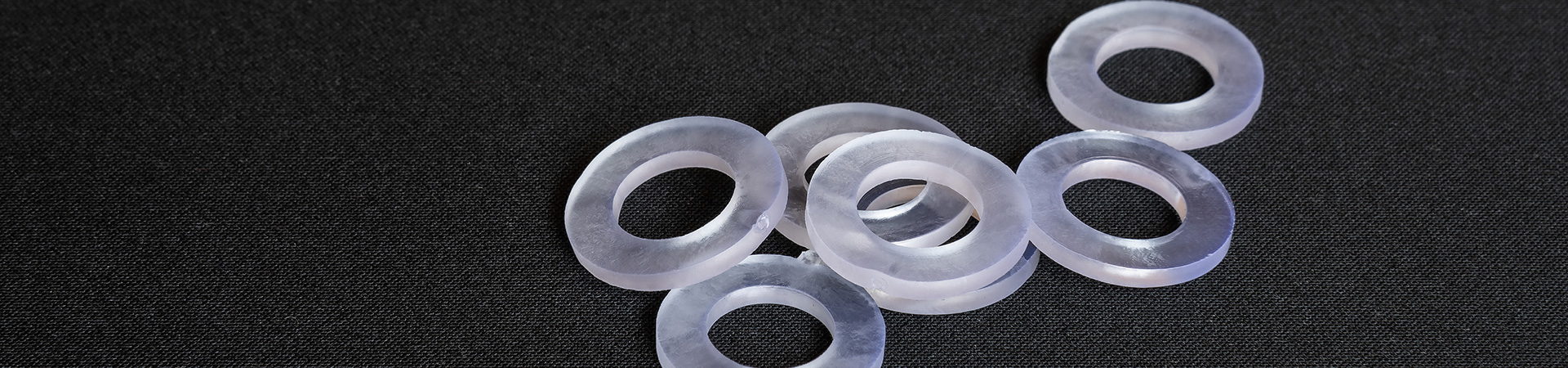
Rod seals are critical components in hydraulic and pneumatic systems, designed specifically to seal the reciprocating rod within a cylinder. Their primary function is to prevent fluid leakage from the system and block external contaminants from entering, ensuring optimal performance, efficiency, and longevity of the equipment. These seals are exposed to high pressures, varying temperatures, and dynamic movements, making their design and material selection paramount for reliable operation. In applications ranging from heavy machinery and industrial manufacturing to aerospace and automotive systems, rod seals play an indispensable role in maintaining system integrity.
| Parameter | Specification Range | Notes |
|---|---|---|
| Material Options | Nitrile (NBR), Polyurethane (AU, EU), Fluorocarbon (FKM), Polytetrafluoroethylene (PTFE) | Material selection depends on fluid type, temperature, and application demands. |
| Hardness (Shore A) | 70 - 95 Shore A | Higher hardness offers better abrasion resistance; softer materials provide better sealing at lower pressures. |
| Pressure Range | Up to 6000 psi (410 bar) | Some high-performance rod seals can handle even higher pressures with appropriate design. |
| Temperature Range | -40°F to 400°F (-40°C to 200°C) | PTFE-based seals can withstand higher temperatures; NBR is suitable for standard temperature ranges. |
| Rod Diameter Range | 0.25 inches to 20 inches (6 mm to 500 mm) | Custom sizes are available for specialized applications. |
| Speed | Up to 65 ft/s (20 m/s) | Seal design must accommodate maximum rod velocity to prevent premature wear. |
| Standard Compliance | ISO 5597, ISO 7425, DIN 3760, SAE J515 | Compliance ensures interchangeability and reliability across different systems. |
| Material | Best For | Temperature Range | Fluid Compatibility | Advantages | Limitations |
|---|---|---|---|---|---|
| Nitrile (NBR) | General hydraulic applications | -40°F to 250°F (-40°C to 120°C) | Petroleum-based oils, water, glycol | Excellent abrasion resistance, cost-effective | Poor resistance to ozone, weathering, and high temperatures |
| Polyurethane (AU, EU) | High-pressure hydraulic systems | -40°F to 200°F (-40°C to 95°C) | Hydraulic oils, water | Superior tear and extrusion resistance, high load capacity | Limited compatibility with some fluids; not suitable for high temperatures |
| Fluorocarbon (FKM) | High-temperature and chemical applications | -15°F to 400°F (-25°C to 200°C) | Fuel, oils, chemicals, acids | Excellent chemical and heat resistance, low gas permeability | Poor low-temperature flexibility, higher cost |
| Polytetrafluoroethylene (PTFE) | Extreme temperatures and low friction needs | -328°F to 500°F (-200°C to 260°C) | Virtually all fluids and chemicals | Lowest friction, excellent chemical resistance, wide temperature range | Requires additional energizers (e.g., springs), can be more expensive |
What is the primary function of a rod seal?
The primary function of a rod seal is to prevent hydraulic fluid or pneumatic media from leaking out of the cylinder along the reciprocating rod. Simultaneously, it acts as a barrier to keep external contaminants such as dirt, dust, and moisture from entering the system, which could cause damage, wear, or system failure.
How do I choose the right rod seal material for my application?
Selecting the appropriate rod seal material depends on several factors: the type of hydraulic fluid or medium used, operating temperature range, system pressure, speed of rod movement, and environmental conditions (e.g., exposure to chemicals, UV light, or abrasive particles). For example, Nitrile (NBR) is suitable for general-purpose applications with petroleum-based oils, while Fluorocarbon (FKM) is better for high-temperature or chemically aggressive environments. Consulting the material compatibility charts and application guidelines is essential.
What are the signs of rod seal failure?
Common indicators of rod seal failure include visible fluid leakage around the rod, reduced system performance or efficiency, increased operating temperature, contamination of the hydraulic fluid, and unusual noises during operation. If you notice any of these signs, it is crucial to inspect and replace the rod seals promptly to prevent further damage to the cylinder and other system components.
Can rod seals be used in both hydraulic and pneumatic systems?
Yes, rod seals are designed for use in both hydraulic and pneumatic systems. However, the specific seal design, material, and hardness may vary based on the application. Hydraulic rod seals typically handle higher pressures and may have different lip configurations compared to pneumatic seals, which often prioritize low friction and rapid movement.
What is the difference between a single-acting and double-acting rod seal?
A single-acting rod seal is designed to seal pressure from one direction only, typically used in cylinders where pressure is applied from one side. In contrast, a double-acting rod seal can handle pressure from both directions, making it suitable for cylinders where the rod moves in both directions under pressure. The choice depends on the cylinder design and operational requirements.
How important is the installation process for rod seals?
Proper installation is critical for the performance and longevity of rod seals. Incorrect installation can lead to damage, such as nicks, cuts, or rolling of the seal lip, resulting in premature failure and leakage. Always follow manufacturer guidelines, use appropriate tools (e.g., installation sleeves), ensure the rod and sealing surfaces are clean and free of burrs, and avoid over-stretching the seal during assembly.
What are the benefits of using PTFE rod seals?
PTFE (Polytetrafluoroethylene) rod seals offer several advantages, including extremely low friction, which reduces wear and energy consumption; excellent chemical resistance to almost all fluids; a very wide operating temperature range; and minimal stick-slip effect. They are ideal for applications requiring high performance in extreme conditions, though they often require an energizer like a spring to maintain sealing force.
How can I extend the service life of my rod seals?
To maximize the lifespan of rod seals, ensure proper system maintenance, including using clean and compatible hydraulic fluids, maintaining optimal operating temperatures, avoiding pressure spikes, and protecting the rod surface from damage and corrosion. Regular inspections, correct installation, and choosing the right seal material for your specific application also contribute significantly to extended service life.