How Do Wear Rings Help Prevent Leakage and Damage in Pumps? In a busy plant, a small clearance change rarely announces itself. A maintenance team sees a slow drop in discharge pressure, a little more vibration, and a rising power bill. By the time a seal fails or a casing is scored, the pump has already been running with excessive internal recirculation. Wear rings are the sacrificial interface that keeps this chain from starting. They hold a controlled running clearance between the impeller and casing, limit leakage from high-pressure to low-pressure zones, and protect expensive components from rubbing, erosion, and heat. A ring that is too tight can gall, raise friction, and damage the shaft sleeve; a ring that is too loose lets flow slip back, drops efficiency, and accelerates cavitation and vibration. For procurement teams, the question is not only “What size do we need?” but “Which material, tolerance, and supplier will keep the pump stable across the next maintenance cycle?” At Ningbo Kaxite Sealing Materials Co., Ltd., we help buyers match wear rings to pump duty, fluid, temperature, and service interval, so the specification supports reliability rather than just filling a purchase order. The result is less leakage, fewer unplanned stops, and lower total cost.
Wear Ring Function: The Small Gap That Controls Big Losses
Pain scene: A food-processing plant notices that a clean-water transfer pump is still running, but the discharge pressure no longer matches the operator’s set point. Maintenance blames the impeller, then the seal, then the motor. No one checks the wear rings because they are small, inexpensive parts that sit out of sight. In reality, the running clearance has opened up, and a growing share of flow is slipping backward inside the pump.
Solution: Treat the wear ring as a controlled clearance device, not a simple spare part. Specify the clearance from the pump duty, material expansion, temperature, and OEM target, then verify concentricity and surface finish before installation. A well-chosen ring keeps the leakage path stable, reduces vibration, and protects the impeller and casing from rubbing. Kaxite supports this step by reviewing pump model, fluid, temperature, and maintenance interval before quoting.
Parameter
Recommended target
Procurement check
Running clearance
OEM value adjusted for material and temperature
Confirm expansion data and tolerance report
Leakage path
Stable annular gap with clean edges
Review drawing, grooves, and surface finish
Material hardness
Compatible with impeller and casing
Avoid galling pairs; check fluid compatibility
Concentricity
Within OEM tolerance
Request dimensional inspection records
Leakage and Damage: What Happens When Clearance Grows
Pain scene: A chemical plant keeps a spare pump ready, yet the same unit keeps returning to the workshop with seal failures and a scored casing. Operators report a slight rise in power consumption and a sound that changes under load. The maintenance record shows the wear rings were replaced, but the clearance was not measured after the pump was assembled.
Solution: Link symptoms to the wear path before parts are replaced. Rising internal leakage often shows up as reduced head, higher power draw, and unstable flow. Rubbing shows up as vibration, heat, and metal transfer. A simple inspection routine can separate these causes and prevent repeat damage. Kaxite helps buyers and maintenance teams choose rings that hold clearance through the service cycle, not just at the start.
Symptom
Likely cause
Action
Lower discharge pressure
Increased recirculation through worn rings
Measure clearance and compare with pump curve
Higher vibration
Rub, cavitation, or misalignment
Check alignment, bearing condition, and ring wear
Repeated seal failure
Shaft movement and heat from internal leakage
Inspect wear rings before replacing seals
Power draw rise
Lost efficiency and added friction
Trend energy use against baseline
Procurement Q&A: What Buyers Ask Before Ordering Wear Rings
Pain scene: A buyer receives three quotes for the same pump model. One quote is lowest on price, but the supplier cannot explain material grade, clearance tolerance, or batch traceability. The buyer needs a fast decision, yet a wrong choice can turn a low-cost part into a long shutdown.
Solution: Use a short technical checklist before comparing price. Ask for the drawing, material certificate, dimensional report, and application review. A supplier that understands pump duty can flag a risky clearance or material choice before the order is placed. Ningbo Kaxite Sealing Materials Co., Ltd. helps procurement teams turn a vague spare-part request into a clear specification.
Product note: For buyers evaluating How Do Wear Rings Help Prevent Leakage and Damage in Pumps?, Kaxite can review pump model, fluid, temperature, and clearance target before quoting.
Buying question
What to ask
How Kaxite helps
What clearance should I specify?
OEM target, fluid, temperature, material expansion
Application review before quotation
How do I compare suppliers?
Dimensional report, batch traceability, material certificate
Inspection records and clear material data
Which material is cost-effective?
Duty, abrasion, chemicals, temperature, service life
Material options matched to pump risk
Q1: What clearance should I specify for a centrifugal pump wear ring? A1: Start with the OEM clearance, then adjust only with a clear reason such as thermal expansion, polymer growth, or a different material pair. Too tight a ring can gall and overheat; too loose a ring increases recirculation and leakage. Ask the supplier to confirm the target in writing.
Q2: How do I compare wear ring suppliers without overpaying? A2: Compare the total maintenance risk, not only the unit price. A low-cost ring that arrives without a dimensional report can cost far more in downtime. Check material grade, tolerance control, batch traceability, and whether the supplier asks about the pump duty.
Material and Clearance Selection: Match the Ring to the Duty
Pain scene: A slurry pump in a mining operation wears out standard rings too quickly, while a clean-water pump in the same site runs for years on the same design. The difference is not the pump brand. It is the combination of abrasive particles, operating temperature, and material pair.
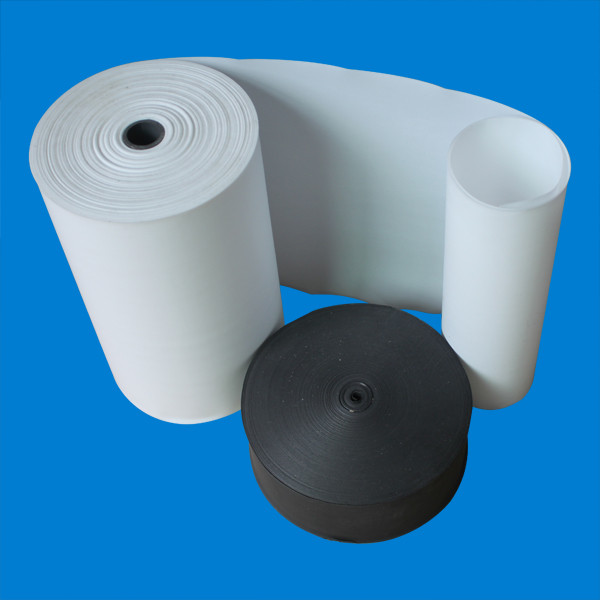
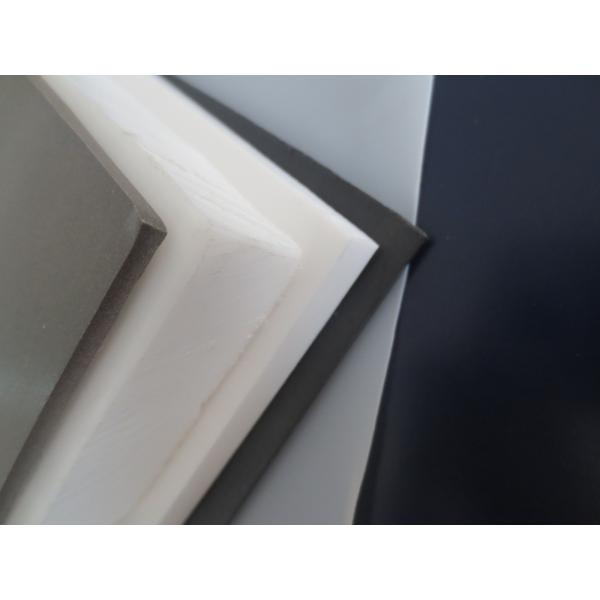
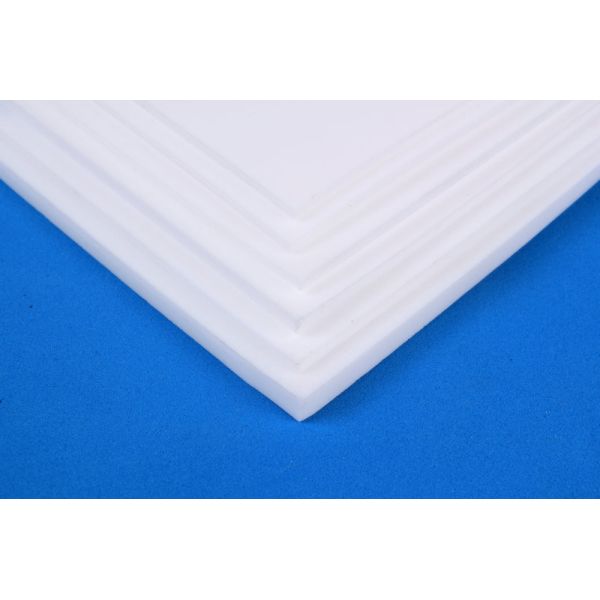
Solution: Match the wear ring material to the fluid and the expected failure mode. Bronze is common in general service, but it can gall in some combinations. PTFE-based rings offer chemical resistance and low friction. PEEK supports higher temperature and better dimensional stability. Silicon carbide suits severe abrasive duty where hardness is the priority. Kaxite helps buyers balance these options against budget and service interval.
Material
Best for
Watch-outs
PTFE-based
Chemical resistance, low friction, clean service
Check creep and thermal expansion
PEEK
Higher temperature and stable clearance
Confirm chemical compatibility and cost target
Bronze
General water and process service
Avoid poor material pairs that gall
Silicon carbide
Abrasive duty and hard particle service
Check impact risk and installation damage
Installation and Maintenance: Protect the Clearance After Delivery
Pain scene: A maintenance crew installs a new wear ring, starts the pump, and hears a light rub that disappears after a few minutes. Weeks later, the pump is back on the bench with uneven wear. The ring was correct on paper, but the installation process changed the clearance.
Solution: Control the steps that change fit: clean the seat, check shaft runout, verify concentricity, heat or press the ring correctly, and measure the final clearance after assembly. Record the baseline so the next inspection has a reference. Kaxite supports this by supplying clear dimensional data and practical fit guidance for the quoted part.
Step
Target
Inspection
Seat cleaning
No burrs, scale, or old sealant
Visual and contact check
Ring fit
Correct interference or clearance
Measure before and after assembly
Final clearance
Within approved target
Record baseline for trending
Start-up check
No rub, normal vibration, stable pressure
Compare with pre-repair data
Engineering Q&A: How Wear Rings Fail and How to Stop Repeat Damage
Pain scene: Engineers often see a pump return with the same damage pattern: a scored impeller hub, a worn ring, and a seal that failed second. If the ring is replaced without a failure review, the next repair repeats the same outcome.
Solution: Use a simple failure review that links the damage pattern to the root cause. Look at wear location, heat marks, particle damage, clearance growth, and operating data. Then choose the material, tolerance, and installation method that address the cause. Ningbo Kaxite Sealing Materials Co., Ltd. works with buyers and engineers to connect the part specification to the actual pump problem.
Failure mode
Root cause
Countermeasure
Galling
Poor material pair, too little clearance
Change material pair and verify fit
Abrasive wear
Hard particles, high velocity
Use harder ring material and check flush
Thermal distortion
Temperature beyond material limit
Select PEEK or another stable grade
Uneven wear
Misalignment or poor concentricity
Correct assembly and shaft runout
Q1: Why does leakage increase before visible damage appears? A1: Wear opens the running clearance gradually. The pump may still run, but more flow recirculates inside the casing. That loss shows up first as lower efficiency, higher power draw, and unstable pressure, long before a crack or heavy score is visible.
Q2: When we ask “How Do Wear Rings Help Prevent Leakage and Damage in Pumps?” in a failure review, what data should we bring? A2: Bring the pump curve, operating temperature, fluid data, repair history, measured clearance, and photos of the worn parts. That data lets the supplier recommend a material and tolerance that fit the duty instead of repeating the same specification.
Supplier Value: Why the Right Partner Lowers Pump Risk
Pain scene: A purchasing team needs a fast shipment, but the lowest quote arrives with no application review and no inspection record. The part may fit, yet the buyer cannot prove that the material and clearance suit the pump. If a leak or rub appears, the cost lands on maintenance and production.
Solution: Choose a supplier that can connect product data to pump performance. Ningbo Kaxite Sealing Materials Co., Ltd. helps buyers reduce risk by reviewing the application, confirming material and tolerance, and supplying the documentation needed for incoming inspection. That support matters when the part is small but the shutdown cost is large.
Supplier capability
Benefit to the buyer
Kaxite action
Application review
Fewer wrong-material orders
Checks pump duty, fluid, and temperature
Dimensional control
Stable fit and clearance
Provides inspection data for quoted parts
Material traceability
Confidence during audits and repairs
Supports batch and material records
Practical communication
Faster decisions for maintenance teams
Answers fit and selection questions clearly
Ningbo Kaxite Sealing Materials Co., Ltd. works with pump users, distributors, and maintenance teams that need sealing and wear parts matched to real operating conditions. The company supports buyers through application review, material selection, dimensional confirmation, and clear communication from quotation to delivery. Learn more at https://www.ptfe-gasket.net, and send your pump model, fluid, temperature, and clearance target to [email protected] for a practical review. Share your current repair issue, and the team can help turn it into a clear part specification.
1. Smith, J. R., and Patel, K. M., 2018. “Wear Ring Clearance Effects on Centrifugal Pump Efficiency and Leakage.” Journal of Pump Engineering, 34(2).
2. Chen, L., Wang, H., and Zhou, Y., 2020. “Erosion and Wear Behavior of PTFE-Based Wear Rings in Abrasive Slurries.” Tribology Transactions, 63(4).
3. Müller, H., 2017. “Radial Clearance Control for Reduced Recirculation in Process Pumps.” International Journal of Rotating Machinery, 2017.
4. Tanaka, Y., and Lee, S., 2019. “Vibration Signatures of Worn Wear Rings in Multistage Pumps.” Mechanical Systems and Signal Processing, 118.
5. Garcia, R., 2021. “Material Selection for Pump Wear Rings: Bronze, PEEK, and Silicon Carbide.” Sealing Technology, 2021(6).
6. Okafor, C., and Brown, D., 2016. “Lifecycle Cost Analysis of Wear Ring Maintenance in Chemical Plants.” Journal of Maintenance Engineering, 12(3).
7. Ivanov, P., Petrov, A., and Sokolov, D., 2022. “Computational Study of Leakage Flow Through Worn Annular Seals.” Journal of Fluids Engineering, 144(8).
8. Ahmed, S., and Wilson, T., 2015. “Procurement Specifications for Centrifugal Pump Wear Parts.” Pump Industry Analyst, 2015(9).
9. Rossi, M., 2020. “Thermal Expansion and Clearance Stability of Polymer Wear Rings.” Polymer Engineering and Science, 60(11).
10. Zhang, Q., Liu, M., and Huang, R., 2023. “Condition Monitoring of Wear Rings Using Efficiency and Vibration Data.” Measurement, 205.
We use cookies to offer you a better browsing experience, analyze site traffic and personalize content. By using this site, you agree to our use of cookies. Privacy Policy